QUALITY, CONSISTENCY, VALUE
Exploring the Rising Global Demand for Nigerian Dried Ginger
Opeyemi Adejumo
2/28/20264 min read
Introduction to Nigerian Dried Ginger
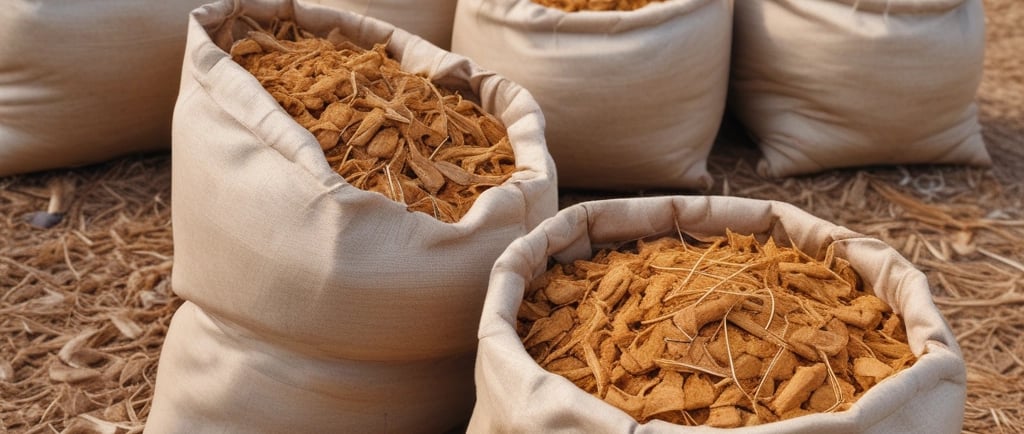
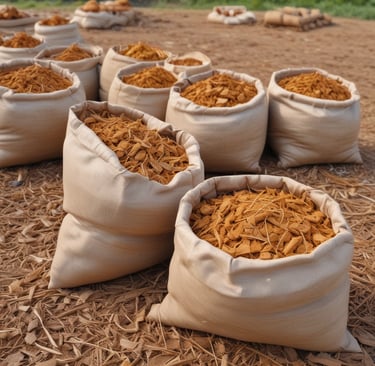
Nigerian dried ginger is a spice derived from the rhizome of the Zingiber officinale plant, well-known for its distinct flavor and numerous health benefits. This spice exhibits a warm, peppery flavor, underlined by a hint of citrus, making it a favorite in both culinary and medicinal applications. The ginger is typically harvested, washed, and sun-dried to preserve its essential oils and natural flavor compounds. This process enhances its aromatic profile and durability, allowing it to be stored for extended periods without significant loss of quality.
Nigeria, with its unique geographical and climatic conditions, stands out as a key producer of this sought-after spice. The country's tropical climate, characterized by high rainfall and well-drained soils, creates an ideal environment for ginger cultivation. Regions such as Benue, Kaduna, and Kano are renowned for their rich agricultural practices, particularly in ginger farming. The favorable growing conditions contribute to the high quality and potent flavor of Nigerian dried ginger, distinguishing it from ginger produced in other regions.
Significantly, Nigerian dried ginger holds a crucial place in the global market due to its increasing demand across various sectors. Its applications span culinary uses, herbal remedies, and even cosmetic formulations. Consequently, the rise in health consciousness among consumers worldwide has led to a notable uptick in the desire for natural ingredients, including dried ginger. As markets become more diverse, the export potential for Nigerian dried ginger continues to grow, highlighting its importance not only as a traditional staple but as a valuable export product that is gaining recognition and respect on the international stage.
Factors Driving Global Demand
The global demand for Nigerian dried ginger has been on an upward trajectory, sparked by a multitude of factors contributing to its rising popularity. One significant catalyst is the changing landscape of the food and beverage industry, which increasingly favors natural ingredients over synthetic alternatives. Consumers are progressively more inclined to seek out products that offer authenticity and health benefits, and Nigerian dried ginger fits these criteria well.
Moreover, there has been a notable rise in the health and wellness market, emphasizing the use of natural ingredients in various products. Ginger, known for its anti-inflammatory and antioxidant properties, is being incorporated into a wide array of health products, including dietary supplements, herbal teas, and natural remedies. This has heightened the awareness of the numerous health benefits associated with ginger, further fueling the demand for dried ginger in both local and international markets.
Additionally, ginger's universal appeal in culinary applications enhances its global demand. It is widely utilized as a spice in diverse cuisines, ranging from Asian dishes to Western recipes. This cultural versatility solidifies ginger's position as a staple ingredient, enhancing its marketability across different regions.
Economic factors also play a crucial role in the rising demand for Nigerian dried ginger. Trade agreements and improved accessibility to international markets have facilitated easier exportation of this commodity, allowing Nigeria to capitalize on its rich agricultural output. As countries look to diversify their imports and cater to the growing inclination for healthy products, Nigerian dried ginger is emerging as a sought-after ingredient on the global stage.
Nigerian Ginger in the International Market
Nigerian dried ginger has emerged as a significant player in the global spice market, with its distinct flavor profile and high quality garnering interest from numerous countries. Key markets importing Nigerian ginger include the United States, the United Kingdom, and several countries in the European Union, driven by an increasing demand for natural ingredients in food and beverage production. As health consciousness rises among consumers, the market for natural spices, including dried ginger, is expected to expand further.
When comparing Nigerian dried ginger to that from other countries, such as India and China, it is essential to note that Nigeria's ginger offers unique qualities. The factors contributing to this advantage include its higher essential oil content, which translates into a more intense flavor and aroma, making it particularly attractive to food manufacturers and consumers looking for premium quality. Additionally, Nigerian ginger is often favored in herbal medicine due to its reputed health benefits, further enhancing its appeal in international markets.
Export statistics illustrate the growth trajectory of Nigerian ginger, with recent reports indicating an upward trend in export volumes. Over the years, Nigeria has positioned itself as one of the top producers of dried ginger, which has significantly bolstered its export revenue. Pricing trends reflect a robust demand, particularly for high-quality grades of ginger, as buyers are willing to pay a premium for superior products. Furthermore, the focus on maintaining quality and sustainability practices has become paramount, as it directly influences market share and competitiveness. By prioritizing sustainable farming methods and ensuring rigorous quality control standards, Nigerian ginger producers can enhance their reputation and appeal in the global market.
Challenges and Opportunities for Nigerian Ginger Producers
As the global demand for Nigerian dried ginger continues to rise, producers in the country face a multitude of challenges that hinder their ability to meet this emerging market requirement. One prominent challenge is quality control, as maintaining the desired quality standards of dried ginger is crucial for satisfying international buyers. In many cases, producers lack access to the necessary resources and technologies that enable them to achieve consistent quality. This inconsistency can lead to loss of market share and credibility among potential clients.
Moreover, supply chain logistics present another significant hurdle for ginger producers in Nigeria. The geographical distribution of ginger farms coupled with underdeveloped transportation infrastructure can lead to delays in getting products to market. These logistical challenges not only add to the cost of production but can also result in perishability issues that further affect the quality of the final product. Additionally, Nigerian ginger faces stiff competition from other major ginger-producing countries, such as India and China, which have more established export infrastructures and marketing strategies in place. This competitive landscape makes it imperative for Nigerian producers to innovate and improve their operational efficiencies.
Nevertheless, despite these challenges, there are numerous opportunities for growth within the Nigerian ginger industry. Innovations in farming practices, such as organic farming and sustainable agricultural techniques, can enhance yield and product quality. Furthermore, establishing partnerships with international buyers and local cooperatives can provide better access to markets and resources. Implementing effective marketing strategies that highlight the unique aspects of Nigerian ginger can also significantly boost visibility and sales in international markets. By strategically addressing these challenges and capitalizing on opportunities, Nigerian ginger producers can position themselves favorably in the global marketplace.